

Blog
How to Choose Truly Organic Vegetables — Checklist & Labels to Look For

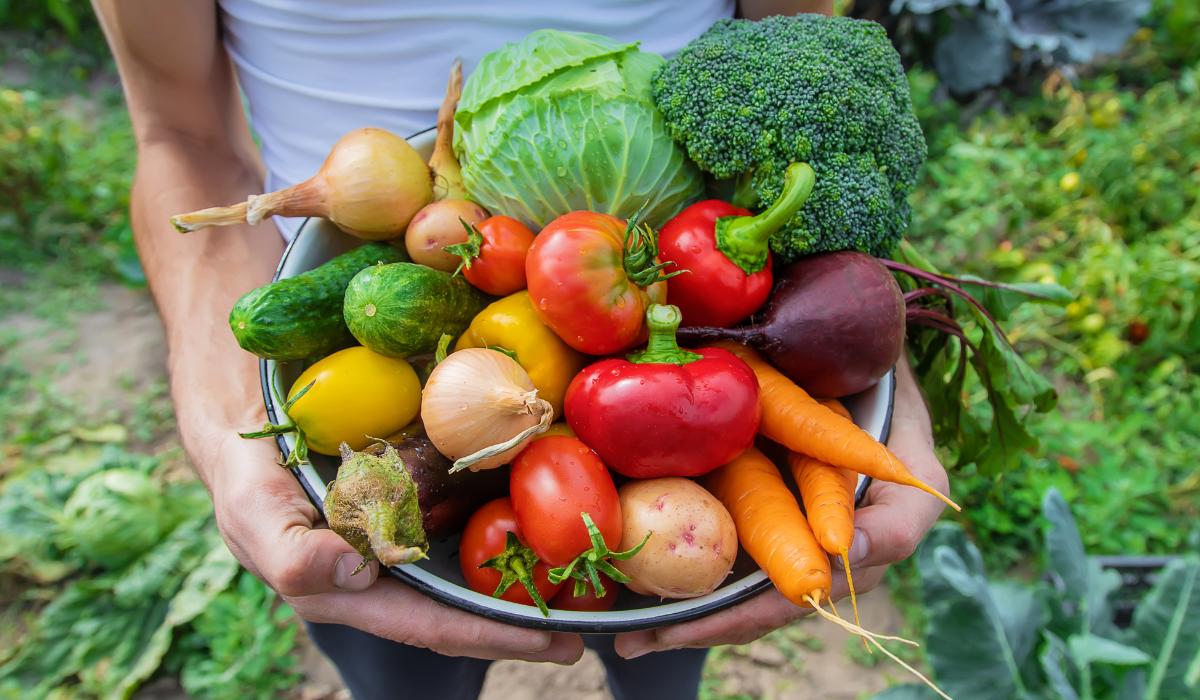
Finding real organic vegetables can be challenging, especially with so many brands using the term loosely. This guide will help you understand what truly organic means and how to identify authentic products.
What Makes Vegetables Truly Organic?
Organic vegetables are grown without:
- Synthetic fertilizers
- Chemical pesticides
- GMOs
- Artificial ripening agents
- Harmful preservatives
Genuine organic farming relies on natural inputs, crop rotation, composting, and eco-friendly pest control.
Checklist for Choosing Authentic Organic Vegetables
Before buying, go through this quick checklist:
✔ 1. Check for Certification
Look for recognized organic certifications such as:
- India Organic / Jaivik Bharat (FSSAI-certified)
- NPOP (National Programme for Organic Production)
- PGS-India Green or PGS-India Organic
- USDA Organic (for imported products)
✔ 2. Examine the Skin & Texture
Natural, organic vegetables:
- May not look perfect
- Can have uneven shapes
- Usually have a natural aroma
- Tend to spoil faster (no preservatives)
✔ 3. Avoid Unnaturally Shiny or Wax-Coated Veggies
Shiny skin may indicate artificial wax, chemicals, or preservatives.
✔ 4. Buy from Trusted Local Farms or Organic Stores
Prefer:
- Farmer markets
- Verified organic shops
- Brands with transparent sourcing
✔ 5. Know the Seasonal Produce
If a vegetable is available off-season, it’s often chemically ripened or hot-house grown.
Labels to Look For
When buying packaged organic vegetables, check for:
- Certification logos
- Batch number and traceability
- “No GMO,” “Pesticide-Free,” or “Chemical-Free” labels
- Harvest and packaging dates
- QR codes that show testing and sourcing
Final Tip
When in doubt—smell, touch, and observe. Organic produce always feels and smells more natural.


