

Blog
Cooking with Cold-Pressed Edible Oils — Smoke Points & Health Benefits

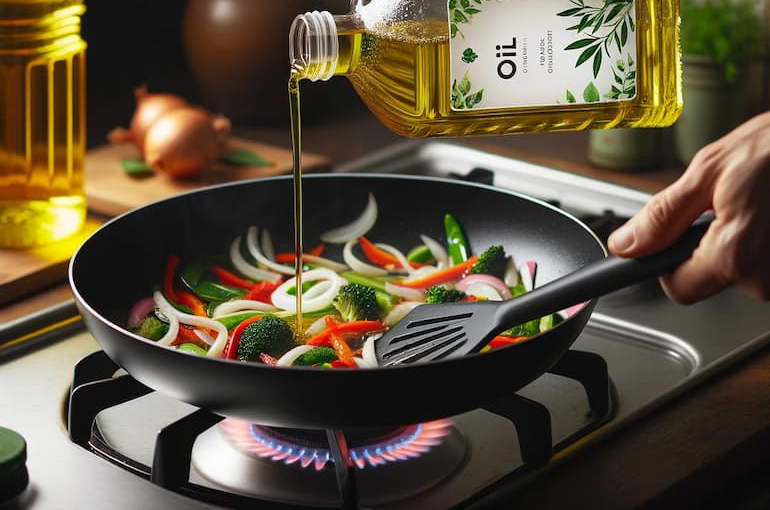
Cold-pressed oils are extracted without heat, preserving nutrients and natural flavour. Here’s how to use them correctly.
What Are Cold-Pressed Oils?
These oils are extracted using traditional wooden ghani or slow-press machines, keeping temperature below 50°C.
This preserves antioxidants, vitamins, and healthy fats.
Popular Cold-Pressed Oils & Their Smoke Points
| Oil | Smoke Point (Approx.) | Best Uses |
|---|---|---|
| Cold-Pressed Coconut Oil | 175°C | Frying, sautéing, baking |
| Cold-Pressed Groundnut Oil | 160–170°C | Deep frying, Indian tadka |
| Cold-Pressed Sesame Oil | 175–210°C | Stir-frying, pickles |
| Cold-Pressed Mustard Oil | 170°C | Curries, marinades |
| Cold-Pressed Olive Oil | 160°C | Salads, light cooking |
Health Benefits of Cold-Pressed Oils
✔ Rich in Antioxidants
Protects cells from oxidative stress.
✔ Better Digestion
Light on the stomach and easy to absorb.
✔ Supports Heart Health
Contains healthy monounsaturated and polyunsaturated fats.
✔ Chemical-Free & Unrefined
No solvents, bleaching, or high heat.
✔ Retains Natural Aroma
Enhances flavour of traditional dishes.
How to Choose Quality Cold-Pressed Oils
- Look for FSSAI-approved brands
- Check for “100% cold-pressed” label
- Prefer oils packed in dark glass bottles
- Avoid overly cheap oils—they may be blended
- Look for sediment at the bottom, a sign of natural extraction
Best Practices for Cooking
- Do not overheat oils beyond their smoke point
- Combine oils (like sesame + coconut) for balanced nutrients
- Store oils in a cool, dark place


Dear Customer,
Thank you for your interest in our Ayurvedic winter wellness drink recipes.
Winter is the ideal season to support immunity, digestion, and overall wellness with traditional Ayurvedic beverages made from natural herbs and spices. Below are a few popular recipes:
Turmeric Ginger Immunity Drink
Ingredients:
1 cup water or milk
1/2 tsp turmeric powder
Small piece of fresh ginger
Honey as required
Benefits:
Supports immunity, relieves cold symptoms, and keeps the body warm.
Tulsi Cinnamon Herbal Tea
Ingredients:
5–6 Tulsi leaves
1 small cinnamon stick
1 cup water
Honey or jaggery optional
Benefits:
Helps respiratory wellness and improves resistance during winter.
Ashwagandha Milk Drink
Ingredients:
1 cup warm milk
1/2 tsp Ashwagandha powder
A pinch of cardamom
Benefits:
Supports energy, relaxation, and overall vitality.
Herbal Kadha for Wellness
Ingredients:
Ginger
Black pepper
Clove
Tulsi leaves
Cinnamon
Boil all ingredients in water for 10 minutes and serve warm.
Benefits:
Traditionally used for seasonal wellness and immune support.
We recommend consuming these drinks warm, especially during mornings or evenings in winter.
Please let us know if you would like:
Sugar-free recipes
Commercial formulation ideas
Ready-to-manufacture beverage concepts
Packaging and shelf-life guidance
We will be happy to assist you further.
Best Regards,